


Blog
Best Coffee Beans for Cappuccino: A Business Buying Guide

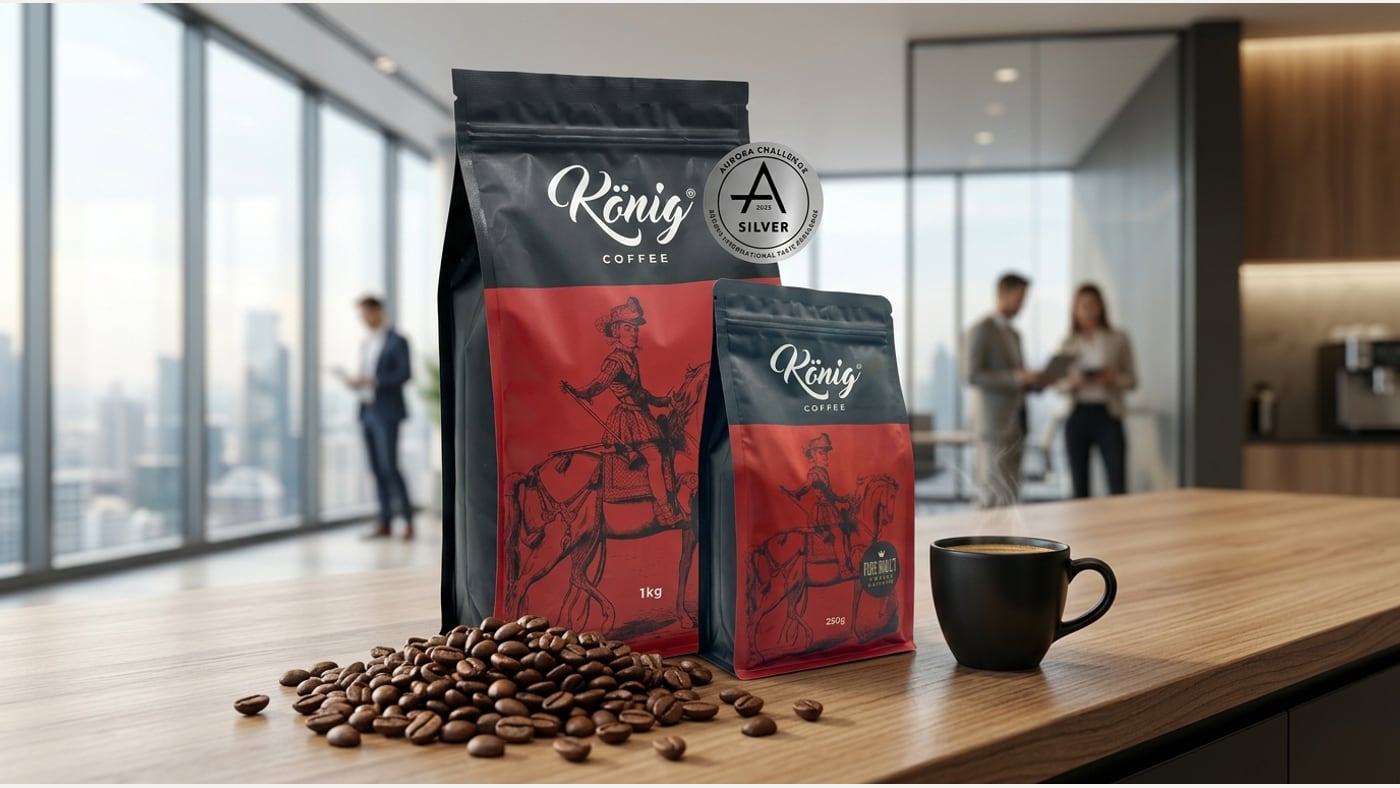
Quick answer: The best cappuccino beans have enough body and sweetness to remain present in milk without tasting burnt. Medium roasts with chocolate, caramel or nut-like notes are reliable starting points.
Milk changes the way coffee tastes
A cappuccino combines espresso with textured milk, so a delicate coffee can disappear while an extremely dark roast can become harsh. The goal is balance: a clear coffee flavour, natural sweetness and enough body to carry through the milk.
Look for body and familiar flavour notes
Chocolate and caramel notes are popular in business environments because they complement milk and are accessible to a wide audience. Medium roasts often preserve aroma while developing the body needed for espresso.
König describes its Barista Espresso Beans as a six-origin medium roast with smooth mouthfeel, medium body, caramel and chocolate undertones. That profile makes it a logical first tasting for cappuccino service.
Do not confuse bitterness with strength
A coffee can taste strong because of dose, extraction or roast. Over-roasted beans may produce bitterness that some drinkers cover with sugar. A well-set medium roast can deliver a fuller, sweeter cappuccino without relying on burnt flavours.
Control the espresso recipe
Even excellent beans will disappoint if the dose and grind are wrong. In an automatic machine, begin with the supplier’s recipe, then adjust one variable at a time:
- Dose: More ground coffee can increase intensity, within the brewer’s limits.
- Grind: Too coarse may taste thin or sour; too fine may taste harsh and dispense slowly.
- Water volume: Excess water can dilute the espresso base.
- Milk volume: A very large cup can overwhelm a single espresso dose.
Match cup size to coffee dose
A standard recipe placed in an oversized cup often becomes a warm milk drink with little coffee character. If the business uses 250ml cups, test whether the machine should use a stronger dose or a double espresso base. Keep recipes consistent across machines.
Freshness matters in the hopper
Buy quantities that match consumption. Keep the hopper covered and avoid leaving beans near heat or direct sun. Do not continually top new beans over old beans without cleaning the hopper when required. Rotate stock by roast and delivery date.
Run a workplace tasting
Shortlist two or three blends and prepare them using the same cappuccino recipe. Ask tasters about sweetness, coffee presence, aftertaste and whether sugar feels necessary. Include black-coffee drinkers because the selected blend may serve the whole menu.
Barista is not the only option. Java Reserve offers bold chocolate character, while House Blend is an approachable all-rounder. The best business choice is the blend that performs consistently in the dominant drink and suits the widest group without becoming bland.
Frequently asked questions
Is dark roast best for cappuccino?
Not always. Dark roast can stand out in milk but may add bitterness. A balanced medium roast with sufficient body can produce a sweeter, clearer cappuccino.
Should cappuccino use one or two espresso shots?
It depends on cup size, dose and desired strength. Larger cups often need a stronger base. Program and test the recipe rather than relying on cup size alone.
Can I use the same beans for espresso and cappuccino?
Yes. Choose a versatile blend and adjust recipes so straight espresso remains balanced while milk drinks retain enough coffee character.
Start with a blend designed for milk drinks
Taste Barista Espresso in your actual machine, cup and milk recipe before setting the workplace standard.